To contact us Click HERE
In our office, we address neck pain, low back pain, and related spinal complaints mostly by two methods. First and foremost, we deal with the neurological cause of the symptoms through the chiropractic adjustments.
Secondly, we address the muscle spasm that goes along with it by using electric muscle stimulation (EMS), or stim for short. Stim blocks pain messages and helps to reduce the levels of muscle spasm through direct electrical action. Four pads transmit the energy, which feels like an electrical tickle at low levels, and more like an electrical massage at more intense levels.
Many patient find a lot of relief from the EMS therapy, which is why we use it so often. Some people like it so much, they ask us how much one of our EMS machines cost.
The short answer is, too much for the individual to buy just for their home. But, there is a portable version called a TENS unit, which is a battery-operated version about the size of a large cell phone.
They don't have the power or options of the big, permenant devices, but they do a good job of providing temporary relief for people who have chronic pain or problems between chiropractic visits.
For patients who could use that sort of portable relief, we can arrange for a TENS unit for you. A lot of times, these are covered by insurance. Ask us on your next visit and we'll fill you in on the details.
30 Eylül 2012 Pazar

Treating Dizziness Causes Naturally: Home Remedies and Diet for Lightheadedness
To contact us Click HERE
What is Dizziness? Dizziness Causes
Dizziness is a condition characterized by lightheadedness or a sensation of loss of balance and disorientation. Dizziness may be associated with symptoms like nausea, blurring of vision and a feeling of uneasiness. Often dizziness is associated with a sensation of head rush and excessive perspiration and hyperventilation. Here are some common causes that are associated with dizziness,
Here are some simple tips and home remedy suggestions for management of lightheadedness and dizziness,
For individuals with frequent episodes of dizziness, there are certain diet and food suggestions,
Here are some simple tips to treat and prevent dizziness and attacks of lightheadedness,
In a study published in Archives of Internal Medicine in 2009, about 35.4% of American adults above the age of 40 years suffer from vestibular dysfunction or severe dizziness and lightheadedness. The same report suggested that vertigo and dizziness attributed to more than number of accidental deaths among elderly due to falls or injuries. Dizziness and vertigo also significantly affects the quality of life of elderly individuals. This article provides insights into factors contributing to dizziness or lightheadedness and simple home and natural remedies to treat dizziness effectively.
 |
| Dizziness affects Elderly Individuals |
Dizziness is a condition characterized by lightheadedness or a sensation of loss of balance and disorientation. Dizziness may be associated with symptoms like nausea, blurring of vision and a feeling of uneasiness. Often dizziness is associated with a sensation of head rush and excessive perspiration and hyperventilation. Here are some common causes that are associated with dizziness,
- Vertigo: This condition is often attributed to vestibular dysfunction which often results in the loss of control of balance with a sensation of falling. This is the most common cause of dizziness among the elderly age group.
- Altered Blood Pressure: Hypertension or elevated blood pressure can result in dizziness. On the other hand drop in blood pressure below normal due to dehydration or other factors can also result in reduced blood supply to the brain and cause dizziness.
- Inadequate nutrition, long standing fever or chronic ailment, vomiting and diarrhea can also result in episodes of giddiness and imbalance
- Cardiovascular disorders like peripheral artery disease, heart attacks, angina, etc can also contribute to dizziness.
- Panic attacks often associated with elevated levels of stress can result in episodes of dizziness and lightheadedness.
- Dizziness when associated with nausea can be indicative of gastrointestinal disorders which include gastroenteritis, irritable bowel syndrome, food poisoning and even diabetes.
Here are some simple tips and home remedy suggestions for management of lightheadedness and dizziness,
- Ensure that you drink lots of water and fresh fruit juice. Often dehydration or sudden drop in blood pressure is one of the most common causes. Avoid soda drinks and caffeine as these can be dehydrating.
- Ginger is considered to be highly beneficial in treating dizziness associated with symptoms of nausea. Crush ginger roots and consume them fresh or boil them in a bowl of water and drink the decoction. Chamomile or peppermint is also good natural substitutes for ginger to manage lightheadedness.
- Wheat germ is also found to be beneficial in the management of lightheadedness. Consuming about two teaspoons of wheat germ with a glass of warm milk can help ease dizziness and lightheadedness. It is highly beneficial during pregnancy.
- Soak about five grams of coriander seeds in water overnight and consume the seeds along with a tablespoon of honey in the morning. Coriander seeds are bitter and honey helps sweeten it.
- A mixture comprising of freshly squeezed lemon juice, black pepper and salt in a glass of water is also considered to be a good treatment for vertigo.
 |
| Coriander Seeds for Lightheadedness |
For individuals with frequent episodes of dizziness, there are certain diet and food suggestions,
- Dizziness is linked with sudden drop in blood sugar levels and hence consuming foods like honey or fruit juices is considered to be highly beneficial. Consume coconut water and lime water to help retain normal blood sugar levels. However diabetic patients need to consult their doctors in cases of emergency.
- Anemia is another cause for dizziness. Consume foods rich in iron, Vitamin B12 and folic acid. Increase intake of chicken and lean meat, fish, green leafy vegetables, soy, etc. These foods are loaded with iron and Vitamin B12.
- Limit the consumption of alcohol and caffeine in your diet. Reduce the intake of salt and sweets, especially containing refined sugar.
- Never skip a meal and eat small quantities of food frequently. Don’t stay hungry for more than four hours at a stretch.
 |
| Coconut Water to Treat Dizziness |
Here are some simple tips to treat and prevent dizziness and attacks of lightheadedness,
- Avoid sudden jerky movement. Avoid standing up or reclining suddenly. This can result in positional hypotension and affect the circulation of blood to the brain
- Stress management plays a crucial role in the treatment of dizziness. Yoga and deep breathing exercises can be beneficial in the management of the condition.
- In case of dizziness one must relax and take deep breaths. Press the ridge above the nose, between the two eyes for a couple of seconds with your thumb. This can provide instant relief from dizziness.
Torn Rotator Cuff Treatment: Home Remedies, Homeopathy and Exercises
To contact us Click HERE
What is rotator Cuff? Rotator Cuff Tear
The shoulder joint is a complex joint comprising of a combination of bones, tendons and muscles. The joint provides a wide range of movement for the arm. However, physiologically, the shoulder joint lacks stability which makes it prone to injuries and dislocation. The rotator cuff comprises of four basic muscles which hold the three bones namely scapula, humerus and the clavicle together and contribute towards the wide range of movements that the shoulder joint is capable of. These muscles include the Supraspinatus, Infraspinatus, Teres Minor and Subscapularis.
Due to the complex structure of the rotator cuff and the extended range of movements provided by the shoulder joint, the shoulder joint often gets dislocated or is prone to injuries. Injury of the rotator cuff is one of the most common forms of shoulder joint injury.
Torn Rotator Cuff Treatment with Homeopathy: Home Remedies to Treat Shoulder Joint Injury
Torn rotator cuff is often associated with symptoms like severe shoulder pain which is aggravated especially when the hand is moved backwards. Localized swelling and edema along with stiffness is also observed, especially during the acute phase. Here are some simple home remedies along with homeopathic drugs that can be beneficial in the treatment of the condition,
Minor shoulder joint injuries including rotator cuff injury can help naturally provided adequate amount of rest is given to the shoulder joint. Here are some simple tips to treat rotator cuff injury and certain simple exercises,
Though surgery may not be required in most cases, if the pain persists, or if the swelling doesn’t resolve to conventional treatment regimen, surgery is imperative. A open surgery may be carried out through a small incision in the shoulder. Post surgery precaution includes rest, hot and cold press and physiotherapy.
Consult your physician to gain details about rotator cuff surgeries and the risks associated with them.
Rotator Cuff Injury is one of the most common injury of the shoulder joint observed among athletes and bodybuilders. Rotator cuff injury often doesn’t require surgical injury and can be treated by exercises in most cases. This article provides insights into the symptoms associated with this shoulder joint injury and provides various simple home remedies and exercises for the effective management of rotator cuff injury.
 |
| Rotator Cuff Injury or Tear |
The shoulder joint is a complex joint comprising of a combination of bones, tendons and muscles. The joint provides a wide range of movement for the arm. However, physiologically, the shoulder joint lacks stability which makes it prone to injuries and dislocation. The rotator cuff comprises of four basic muscles which hold the three bones namely scapula, humerus and the clavicle together and contribute towards the wide range of movements that the shoulder joint is capable of. These muscles include the Supraspinatus, Infraspinatus, Teres Minor and Subscapularis.
Due to the complex structure of the rotator cuff and the extended range of movements provided by the shoulder joint, the shoulder joint often gets dislocated or is prone to injuries. Injury of the rotator cuff is one of the most common forms of shoulder joint injury.
Torn Rotator Cuff Treatment with Homeopathy: Home Remedies to Treat Shoulder Joint Injury
Torn rotator cuff is often associated with symptoms like severe shoulder pain which is aggravated especially when the hand is moved backwards. Localized swelling and edema along with stiffness is also observed, especially during the acute phase. Here are some simple home remedies along with homeopathic drugs that can be beneficial in the treatment of the condition,
- Turmeric with Honey: Turmeric is considered to have strong anti-inflammatory properties. Reports have suggested that turmeric can be as effective as NSAIDs minus the negative effect of NSAIDs including gastritis and retrosternal burning. Mix a spoon of turmeric powder in a spoon of honey and consume it twice a day. This can provide sustained relief.
- Homeopathic drugs like Bryonia Alba taken in low potency are considered to be highly beneficial in the management of shoulder joint injury. Bryonia hastens cure by reducing inflammation and swelling at the site and further improves the range of motion.
- Crush a few pods of garlic and mix it with freshly squeezed ginger juice. These foods have strong anti inflammatory action and also hasten the healing in cases of shoulder injury.
- Massage the affected area with clove essential oil. Clove helps in decongestion of the area and improves blood circulation to the affected site. Clove essential oil should be used especially after the first 72 hours of the injury, especially after the edema has reduced. This aroma oil can help in reducing pain and improve joint mobility.
 |
| Homeopathic Drug is beneficial in management of Shoulder Injury |
Minor shoulder joint injuries including rotator cuff injury can help naturally provided adequate amount of rest is given to the shoulder joint. Here are some simple tips to treat rotator cuff injury and certain simple exercises,
-
- Alternatively applying ice and heat packs is considered to be beneficial. Use cold packs for the first couple of hours. This helps reduce pain and inflammation at the site. Subsequently use heating pads to relax and lighten the sore muscles.
- Resting the shoulder joint is imperative. However, trying gentle exercises to keep the muscles limber is crucial, especially to hasten recovery. Too much rest can lead to frozen shoulder, which is associated with stiffness of the shoulder joint and limited range of movement.
 |
| Rotator Cuff Excercise |
Though surgery may not be required in most cases, if the pain persists, or if the swelling doesn’t resolve to conventional treatment regimen, surgery is imperative. A open surgery may be carried out through a small incision in the shoulder. Post surgery precaution includes rest, hot and cold press and physiotherapy.
Consult your physician to gain details about rotator cuff surgeries and the risks associated with them.
Smart tips to overcome Insomnia
To contact us Click HERE
Insomnia can be defined as a situation where someone is having trouble sleeping or can not sleep soundly. Each person on average have experienced insomnia once in his life. There are even more extreme countries 30-50% of the population suffers from insomnia. Insomnia can affect all age groups. However, the incidence of insomnia increases with age. This may be caused by stress that often plague older people. In addition, women more often said to suffer from insomnia than men.
Here are some smart tips that you can do to reduce insomnia attack, smart tips to overcome insomnia:
Exercise regularly. Some studies suggest that regular exercise can help people who experience problems with sleep. Exercises should be done in the morning and not a few minutes before bedtime. With exercise, you become a more optimal health so that the body can fight stress that comes with better.
Avoid eating and drinking too much before bed. Foods that too much will cause stomach to be uncomfortable, while drinking too much will cause you to frequently return to urinate. Surely these two conditions will interfere with your hibernation.
Sleep in a comfortable environment. At bedtime, turn off the lights, turn off the noise, make sure you are comfortable with the temperature of your sleeping room. Keep your clock from view as it can make you anxious because they can not sleep while the clock is more soluble.
Limit drinks are stimulants or keep you awake, such as tea, coffee. alcohol and cigarettes. This drink will cause you to wake up the course, you do not need if you want to sleep.
Eat snacks that contain little carbohydrate at bedtime, when available, add a glass of warm milk.
Go take a shower with warm water 30 minutes or one hour before bedtime. Warm bath will cause sedation or stimulate sleep. In addition, warm baths also reduce the body calm.
Stop watching TV, reading books, at least one hour before bedtime. Use your bed for sleeping. This will help your body adjust to the environment in which to sleep. As you lie in bed, then there will be stimulus for sleep.
Perform regular relaxation activities. Listening to music, practicing breathing, meditation and others will help slow the processes that occur in the body so that your body becomes more relaxed. This situation will ease you to sleep.
Clear your mind. Getting rid of all the worries that plague your mind. One way to do this is to write down all your thoughts through the medium of blogs. Sleep and wake up in a period of regular time each day. Chaotic sleep will disturb your sleep time further.
As tips to reduce your sleep problems. Always remember that sleep is a basic requirement for growth and improve impaired organ function. Insomnia is not a congenital disease and thus be easily cured.
If the smart tips to overcome Insomnia above, you still feel like a failure to overcome sleep problems, consult your doctor to find a way out. Maybe there are other, more powerful tips from friends, please give tips to people you care about comments. Your comments for the benefit of others.
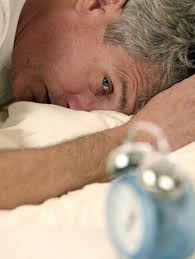 |
| Smart tips to overcome Insomnia |
Here are some smart tips that you can do to reduce insomnia attack, smart tips to overcome insomnia:
Exercise regularly. Some studies suggest that regular exercise can help people who experience problems with sleep. Exercises should be done in the morning and not a few minutes before bedtime. With exercise, you become a more optimal health so that the body can fight stress that comes with better.
Avoid eating and drinking too much before bed. Foods that too much will cause stomach to be uncomfortable, while drinking too much will cause you to frequently return to urinate. Surely these two conditions will interfere with your hibernation.
Sleep in a comfortable environment. At bedtime, turn off the lights, turn off the noise, make sure you are comfortable with the temperature of your sleeping room. Keep your clock from view as it can make you anxious because they can not sleep while the clock is more soluble.
Limit drinks are stimulants or keep you awake, such as tea, coffee. alcohol and cigarettes. This drink will cause you to wake up the course, you do not need if you want to sleep.
Eat snacks that contain little carbohydrate at bedtime, when available, add a glass of warm milk.
Go take a shower with warm water 30 minutes or one hour before bedtime. Warm bath will cause sedation or stimulate sleep. In addition, warm baths also reduce the body calm.
Stop watching TV, reading books, at least one hour before bedtime. Use your bed for sleeping. This will help your body adjust to the environment in which to sleep. As you lie in bed, then there will be stimulus for sleep.
Perform regular relaxation activities. Listening to music, practicing breathing, meditation and others will help slow the processes that occur in the body so that your body becomes more relaxed. This situation will ease you to sleep.
Clear your mind. Getting rid of all the worries that plague your mind. One way to do this is to write down all your thoughts through the medium of blogs. Sleep and wake up in a period of regular time each day. Chaotic sleep will disturb your sleep time further.
As tips to reduce your sleep problems. Always remember that sleep is a basic requirement for growth and improve impaired organ function. Insomnia is not a congenital disease and thus be easily cured.
If the smart tips to overcome Insomnia above, you still feel like a failure to overcome sleep problems, consult your doctor to find a way out. Maybe there are other, more powerful tips from friends, please give tips to people you care about comments. Your comments for the benefit of others.
Home Remedies for Sleep Insomnia: Natural Cures for Sleeping Disorders
To contact us Click HERE
Causes of Insomnia: Risk Factors for Sleeping Disorders
Insomnia can be classified as primary insomnia- which is not attributed to environmental factors and secondary insomnia- which is often related to the individual’s medical condition, medications, etc. Primary insomnia is not very well understood, but most of the insomnia cases are related to secondary factors. Some of the common causative factors include,
There are several prescription medications available which aid in improving sleep; however there are a host of simple life style tips which one can use to improve the quality and duration of sleep.
Here are some simple home remedies that can help in effective management of sleeping disorders,
Sleeping problems affects one in every three people. Some reports suggest that more than half the population above the age group of 60 years suffers from insomnia. Further, women are more likely to suffer from some form of sleep deprivation as compared to men. Estimates suggest that approximately 10 million Americans use prescription medicine for sleeping aid. Further there are a close link observed between obesity and inadequate sleep. Fortunately, there are a host of home remedies and homeopathic treatment therapies that can be used for the effective management of insomnia and other forms of sleeping disorder.
What is Insomnia? Sleeping Disorder Symptoms
Insomnia refers to persistent or acute failure to fall asleep. As per the National Heart and Lung institute insomnia is a condition which is characterized by ‘having trouble falling asleep, staying asleep or both’. This condition results in inadequate sleep or poor quality of sleep, both of which have detrimental effect on the overall health of an individual.
Some of the common symptoms associated with insomnia include,
- Sleepiness during the day and lack of energy often represented in the form of chronic fatigue
- Elevated levels of anxiety and apprehension
- Inability to concentrate and focus on specific activities
- Elevated levels of irritability
Causes of Insomnia: Risk Factors for Sleeping Disorders
Insomnia can be classified as primary insomnia- which is not attributed to environmental factors and secondary insomnia- which is often related to the individual’s medical condition, medications, etc. Primary insomnia is not very well understood, but most of the insomnia cases are related to secondary factors. Some of the common causative factors include,
- Emotional disorders including anxiety, stress and depression are leading causes of insomnia
- Medical and neurological conditions like Alzheimer’s disease and Parkinson’s disorder are linked with the condition
- Conditions associated with chronic pain including headaches and arthritis are leading causes
- Hyperthyroidism is another factor responsible for insomnia
- Restless leg syndrome and Sleep apnea (i.e. sleep related breathing disorder) can also result in insomnia
- Insomnia is also experienced during menopause and among individuals with gastrointestinal disorders like heartburn and acid reflux disorders.
There are several prescription medications available which aid in improving sleep; however there are a host of simple life style tips which one can use to improve the quality and duration of sleep.
- Take a warm water bath just prior to going to bed. A warm water bath is very relaxing and it improves the circulation of the blood throughout the body, which makes it easier for a person to fall asleep.
- A foot massage just prior to going to be can also be beneficial. Use a foot massager or dip your feet in warm water for about five to ten minutes. This will help improve your chances of falling asleep.
- Don’t exercise just prior to going to bed. Have dinner at least two hours prior to bed time.
- Avoid smoking, especially around bedtime. Avoid alcohol. These are natural stimulants and can interfere with the sleep cycles.
- Meditation with Yoga is considered to help alleviate stress and manage depression. Meditation also helps improve focus and get rid of anxiety and apprehension.
- Try deep breathing while in bed. Deep breathing helps you relax and calms the nerves.
- Using aroma oils like Lavender, Chamomile, Frankincense, etc can help fight sleeplessness. Just sprinkle a few drops of the essential oils on your pillow before going to bed.
Here are some simple home remedies that can help in effective management of sleeping disorders,
- A mixture of warm milk with a teaspoon of raw honey is considered to be beneficial to induce sleep. Milk and raw honey both act as tranquilizers and have a mild sedative action.
- Decoction of Lettuce seeds is considered to be very beneficial. Lettuce seeds contain ‘Lectucarium’ which has the properties very similar to opium for inducing sleep, but don’t result in excitement. Consuming a concentrated decoction is considered to be highly beneficial in inducing sleep
- Herbs Rauwolfia and Aniseed tea are also considered to be beneficial in the management of insomnia and sleeping disorders.
- Vitamin B complex especially thiamine is considered to play a pivotal role in inducing sleep. Deficiency of Thiamine is a primary factor responsible for sleeplessness in individuals.
- Homeopathic drugs, to be taken only after physician’s consultation, have also been beneficial. Some drugs include Coffea, Passiflora and Valeriana which help relax the mind and induce quality sleep.
29 Eylül 2012 Cumartesi
Comb Honey Health Benefits for Athletes: Manage Respiratory, Intestinal and Skin Infections Naturally
To contact us Click HERE
Comb honey refers to raw honey, which is not processed or purified and still contains the remnants like honeycomb in it. Though this honey may be considered unhygienic, it has relatively higher nutritive value compared to the processed form of honey. . Some of the nutritive highlights of this wonder food include,
Honey for Acne and Pimples: Comb Honey and Cinnamon
Acne and pimples may manifest in the form of blackheads, whiteheads, nodules or unsightly cysts which eventually result in scars. Honey when used externally in combination with cinnamon is considered to be beneficial in the treating acne and pimples and also aids in healing the damaged skin. The action of honey on the skin can be described as follows,
Honey Benefits for Athletes: Comb Honey for Weight Trainers
In a study, to understand the role of honey as an energy tonic, three groups of volunteers underwent intensive and rigorous weight lifting work-outs, and then, instantly ingested a supplement of protein combined with honey, maltodextrin or sugar, as the source for carbohydrates.
Results showed that the group of athletes, who were administered honey, demonstrated optimum serum glucose levels all through the two hours subsequent to the work-out. Additionally, muscle recuperation and glycogen restoration was a lot more favorable in those who consumed the honey and protein combination. Honey is hence one of the best source of energy for Athletes.
Sustaining optimal blood glucose levels after the strength-endurance training by ingesting carbohydrates before, during, and after the work-out regimen is very important to maintain muscle glycogen. Muscle glycogen is that form in which glucose is stored in the muscle as a ready to use source of fuel.
Honey for Management of Respiratory Infections: Honey for Intestinal Infections
Honey acts as a natural expectorant and hence is considered very effective in the management of respiratory tract infections including bronchitis, sinusitis and asthma. Honey is often considered the most appropriate medium to dispense natural medicines and herbs. Further, antiseptic properties of honey are considered to be effective in the management of intestinal infections like typhoid, cholera and salmonella. Honey is also recognized by the WHO as an important recipe for the management of traveler’s diarrhea
Honey is a natural and superior choice for improving energy levels, fighting fatigue and stress and providing protection against a host of infections.
Honey has been known since ages for its wide ranging health benefits. In ancient Olympics, reports said that the athletes consumed honey to enhance energy levels. In Europe, honey was known for its aphrodisiac properties and couples consumed wine prepared from honey after marriage. This is often considered to be the origin for the word ‘honeymoon’. Further, until the First World War, honey was used to treat wounds as it acted not only as a disinfectant but hastened the healing process. Today modern science has reiterated the benefits of honey, as a strong home remedy to treat common cold, rhinitis and lower respiratory tract infections.
Honey Health Benefits: Nutrients and Vitamins in Comb Honey
 |
| Honey is loaded with Various Vitamins and Minerals |
- Honey is loaded with a host of nutrients which include Vitamin B, Vitamin C, Iron, Sodium, Manganese, Calcium, Potassium and Magnesium.
- Honey also contains essential predigested sugars which allow it to be easily absorbed and generate energy. Honey is hence considered an important source of energy for weight trainers, athletes and individuals recovering from chronic ailment.
- The sugars in honey are also considered to have a relaxing and calming effect on the brain as they stimulate the production of serotonin in the brain. Due to this honey is considered very beneficial in the management of insomnia, help instill relaxation and considered effective in the treatment of headaches and neuralgias.
Honey for Acne and Pimples: Comb Honey and Cinnamon
Acne and pimples may manifest in the form of blackheads, whiteheads, nodules or unsightly cysts which eventually result in scars. Honey when used externally in combination with cinnamon is considered to be beneficial in the treating acne and pimples and also aids in healing the damaged skin. The action of honey on the skin can be described as follows,
- Honey is an antiseptic and hence checks the growth of microbes and infectious agents that can result in an aggravation of the skin condition
- Hygroscopic property of honey helps in draw water and toxins out of the ulcers or wounds and hasten the process of healing
- Cinnamon is also an antiseptic and revitalizes the skin and hastens acne cures.
Honey Benefits for Athletes: Comb Honey for Weight Trainers
 |
| Honey is good source of energy for Athletes and Weight Trainers |
Results showed that the group of athletes, who were administered honey, demonstrated optimum serum glucose levels all through the two hours subsequent to the work-out. Additionally, muscle recuperation and glycogen restoration was a lot more favorable in those who consumed the honey and protein combination. Honey is hence one of the best source of energy for Athletes.
Sustaining optimal blood glucose levels after the strength-endurance training by ingesting carbohydrates before, during, and after the work-out regimen is very important to maintain muscle glycogen. Muscle glycogen is that form in which glucose is stored in the muscle as a ready to use source of fuel.
Honey for Management of Respiratory Infections: Honey for Intestinal Infections
Honey acts as a natural expectorant and hence is considered very effective in the management of respiratory tract infections including bronchitis, sinusitis and asthma. Honey is often considered the most appropriate medium to dispense natural medicines and herbs. Further, antiseptic properties of honey are considered to be effective in the management of intestinal infections like typhoid, cholera and salmonella. Honey is also recognized by the WHO as an important recipe for the management of traveler’s diarrhea
Honey is a natural and superior choice for improving energy levels, fighting fatigue and stress and providing protection against a host of infections.
Home Remedies for Bad breath: Get Rid of Bad Breath and Prevent Halitosis
To contact us Click HERE
Foods that Cause Bad Breath: Foods to avoid for Halitosis
Nobody wants an unpleasant and offensive odor from his mouth. In the simplest of cases, bad breath can be traced to eating foods that have lingering odors, such as garlic, onions and anchovies. Smoking and drinking alcohol are significant causes as well.
Causes of Halitosis: What Causes Bad Breath?
In addition to the foods, there are a host of other factors that cause bad breath,
Here are some simple home remedies, foods and tips to get rid of bad breath,
Treatment for Bad Breath: How to Prevent Bad Breath
In case the bad breath perseveres, in spite of trying all the possible home remedies and natural cures, it is vital that you consult a dentist. Your dentist will try to ascertain if there is an underlying gum disease that is causing halitosis and treat it accordingly. A medical checkup will also help find out if sinusitis, dyspepsia, heartburn or some other medical condition is responsible.
Bad breath or Halitosis is a vastly annoying complaint affecting millions of people. Oral hygiene and certain natural remedies can provide effective and lasting relief. Here are some tips about foods to avoid and how to get rid of bad breath naturally. However, if bad breath persists, you must visit a dentist; dental and medical investigation will reveal an underlying cause.
 |
| Bad Breath is a common problem |
Nobody wants an unpleasant and offensive odor from his mouth. In the simplest of cases, bad breath can be traced to eating foods that have lingering odors, such as garlic, onions and anchovies. Smoking and drinking alcohol are significant causes as well.
Causes of Halitosis: What Causes Bad Breath?
In addition to the foods, there are a host of other factors that cause bad breath,
- Occasionally, bad breath or halitosis may have an underlying medical condition as the cause and can become a chronic.
- Halitosis occurs due to the multiplication of odor-producing bacteria in the mouth. If the mouth remains dry, more bacteria thrive.
- Any disorder that decreases the synthesis of saliva in the mouth lead to bad breath; common causes include: breathing through the mouth, advancing age, and following crash diets (where you eat less and thus produce less saliva).
- Certain drugs and medicines also trigger offensive breath
- The breath is usually bad in the morning, given that less saliva is produced during sleep.
- Poor oral hygiene is the most noteworthy cause. Bacteria tend to accumulate between the teeth and on the tongue, where there is food debris.
- Gum diseases are another important cause. Often the condition is associated with tooth pain
- Chronic, persistent sinus infection sets off bad breath as well.
- Poor digestion or frequent indigestion has also been linked to halitosis.
Here are some simple home remedies, foods and tips to get rid of bad breath,
- Fennel seeds: munch on a spoonful of fennel seeds after every meal. Not only does fennel freshen the breath, it also perks up digestion.
- Spirulina and apple juice: mix spirulina along with some apple juice; use this as a mouth wash everyday for about a month. This blend may be drunk as well.
- Parsley: parsley is a powerful breath freshener. It detoxifies odors and also boosts digestion appreciably. Chew on a sprig of parsley after every meal.
- Brush your teeth after every meal, and floss the teeth once every day. In case you cannot brush, rinse the mouth well.
- Avoid strong smelling foods, and quit smoking.
- Treating sinus infections, bleeding gums, constipation and indigestion immediately.
 |
| Spirulina Tablets can help treat bad breath |
Treatment for Bad Breath: How to Prevent Bad Breath
In case the bad breath perseveres, in spite of trying all the possible home remedies and natural cures, it is vital that you consult a dentist. Your dentist will try to ascertain if there is an underlying gum disease that is causing halitosis and treat it accordingly. A medical checkup will also help find out if sinusitis, dyspepsia, heartburn or some other medical condition is responsible.
- Make sure that you follow strict dental and oral hygiene. Brushing, flossing, gargling and cleaning the tongue are crucial aspects of oral care. Ensure that the toothbrush remains bacteria free by storing it in grapefruit seed extract. Rinse the toothbrush well before using it.
- It is important to have good bowel movement. Constipation and poor digestion are huge contributing factors. Thus, drink at least 2 liters of water daily and consume 3 to 5 dates every night. This promises to keep the bowels functioning optimally.
- Rinse your mouth with peppermint essential oil. Add 2 to 3 drops of the essential oil to a glass of water; and use this mouth wash once daily as a preventive.
Kaydol:
Yorumlar (Atom)